
Energy metabolism represents the fundamental biological process through which cells convert nutrients into usable energy (ATP). This process involves complex biochemical pathways that depend on specific micronutrients and cofactors to function optimally.
Understanding how different nutrients support these metabolic processes provides insight into the importance of varied, nutrient-dense dietary patterns for maintaining normal physiological activity levels in adult males.
Key Metabolic Functions:
| Nutrient | Metabolic Role | Natural Sources |
|---|---|---|
| Coenzyme Q10 (CoQ10) | Electron transport chain component, cellular energy production | Fatty fish, organ meats, spinach, sesame seeds |
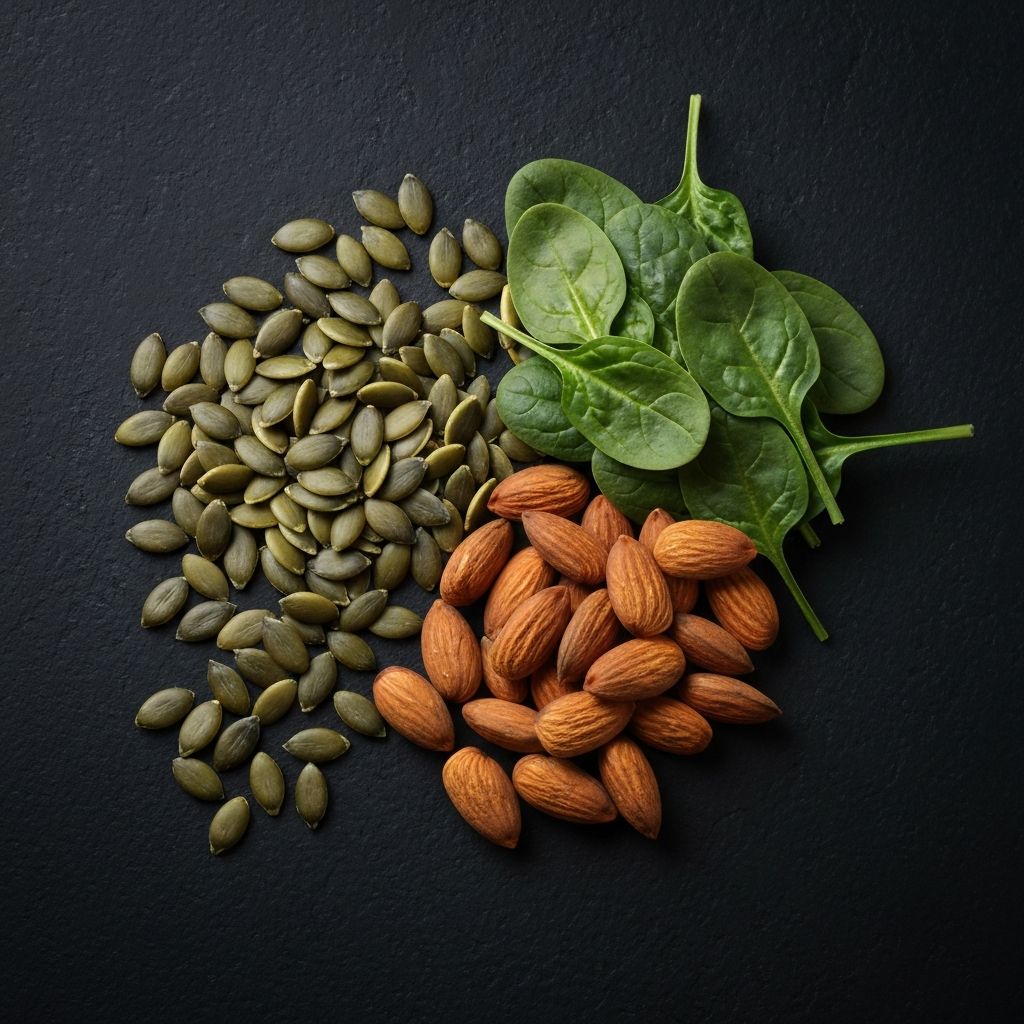
| Magnesium | ATP synthesis, enzyme activation, metabolic reactions | Pumpkin seeds, almonds, spinach, whole grains |
| B Vitamins | Enzyme cofactors in carbohydrate, fat, and protein metabolism | Whole grains, legumes, eggs, nutritional yeast, leafy greens |
| Iron | Oxygen transport, electron transport, mitochondrial function | Red meat, legumes, lentils, dark leafy greens |
| Electrolytes | Cellular energy processes, muscle function, nerve signaling | Coconut water, bananas, sea salt, leafy greens |

Tuna provides high-quality protein and omega-3 polyunsaturated fatty acids. These fatty acids support mitochondrial membrane structure and energy production efficiency. The protein content supplies amino acids necessary for enzyme synthesis and metabolic tissue maintenance.
Learn More
Hazelnuts contain vitamin E, a lipid-soluble antioxidant, and significant magnesium content. Magnesium serves as a critical cofactor in ATP synthesis and over 300 enzymatic reactions. Vitamin E supports cellular energy metabolism through antioxidant protection.
Learn More
Arugula provides folate (B-vitamin) and phylloquinone (vitamin K). Folate participates in one-carbon metabolism, essential for energy production and cellular functions. The nutrient density supports normal physiological processes in actively living males.
Learn More
Coenzyme Q10 functions as a critical component of the electron transport chain in mitochondria, where it transfers electrons during ATP synthesis. This process is essential for aerobic energy production in all cells.
Natural CoQ10 Sources:
Higher CoQ10 concentrations are found in tissues with high metabolic demands, explaining its presence in heart and liver tissues, as well as in seeds of energy-rich plants.
Magnesium serves as a cofactor for ATP synthase, the enzyme complex that produces ATP molecules. Additionally, magnesium participates in over 300 enzymatic reactions, including those involved in protein synthesis, glucose metabolism, and neuromuscular function.
Physiological Magnesium Functions:
B vitamins (B1, B2, B3, B5, B6, B12, folate) function as coenzymes in metabolic pathways involving carbohydrate, lipid, and protein breakdown. Each plays a specific role in energy conversion processes:
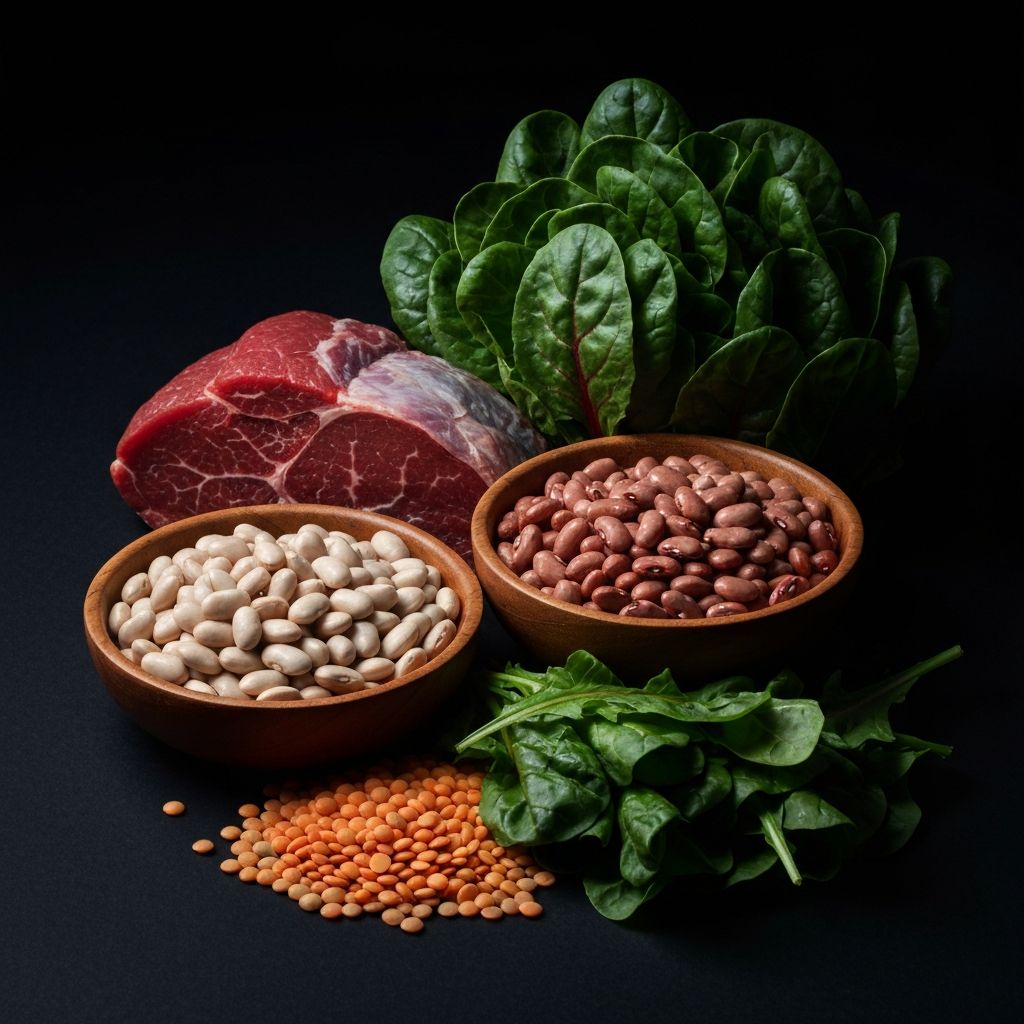
Iron exists in two dietary forms: heme iron (from animal sources) and non-heme iron (from plant sources). Both forms support oxygen transport through hemoglobin and myoglobin, essential for aerobic energy production in muscles and organs.
Iron's Metabolic Functions:
Adequate iron status supports optimal mitochondrial function and prevents energy production inefficiency related to compromised oxygen delivery.
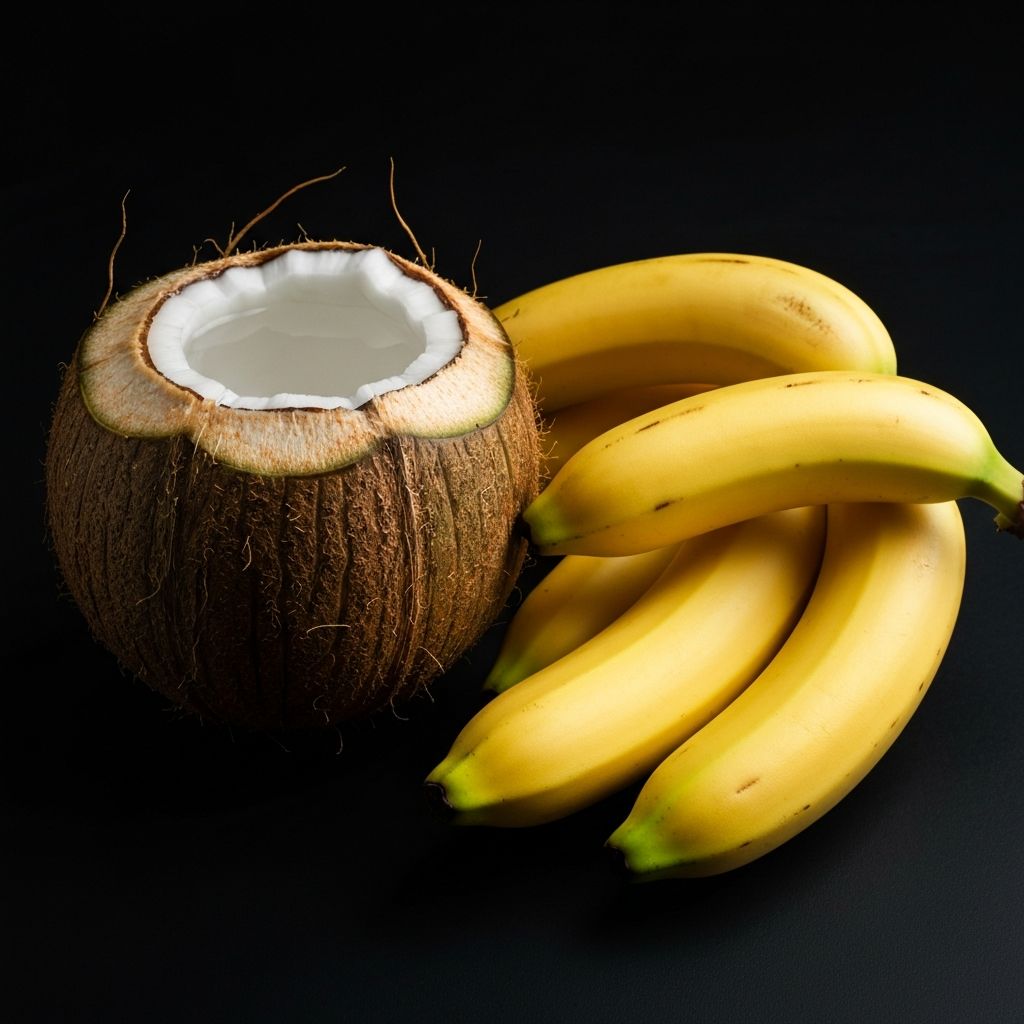
Electrolytes (sodium, potassium, magnesium, calcium) regulate cellular fluid balance and ion gradients necessary for ATP-dependent pumps. These minerals maintain osmotic balance and support energy-dependent cellular processes.

Electrolytes enable nerve impulse transmission, muscle contraction, and maintain the sodium-potassium pump function. These processes consume ATP but are essential for cellular communication and coordinated biological responses.
Glycolysis: Initial glucose breakdown producing 2 ATP molecules per glucose; occurs in cytoplasm; dependent on B vitamins.
Citric Acid Cycle (Krebs Cycle): Complete oxidation of acetyl-CoA; produces electron carriers (NADH, FADH2); requires B vitamins, magnesium, iron as cofactors.
Electron Transport Chain: NADH and FADH2 oxidation drives proton gradient; CoQ10, iron (cytochromes), copper participate; produces ~34 ATP molecules per glucose.
Oxidative Phosphorylation: ATP synthase uses proton gradient to phosphorylate ADP to ATP; magnesium essential for this process.
These interconnected pathways demonstrate why diverse nutrient intake supports efficient energy production. Deficiency in any single cofactor can compromise the entire metabolic chain.
Consistent daily nutrient intake supports stable metabolic enzyme production and cofactor availability. Nutrient requirements vary based on activity level, age, and individual physiological characteristics.
Factors Affecting Nutrient Needs:
Regular, varied intake of nutrient-dense foods maintains steady cofactor availability for metabolic processes. Sporadic nutrient consumption may not support optimal enzyme function.

Cherries provide anthocyanin antioxidants and carbohydrates for energy metabolism. Sweet potatoes offer complex carbohydrates, potassium, and beta-carotene. Both support normal energy production processes through different nutrient mechanisms.

Asparagus provides folate, vitamins K and C, and glutathione. Mung beans offer plant-based protein, B vitamins, and minerals. These foods demonstrate nutrient density beyond basic macronutrients.
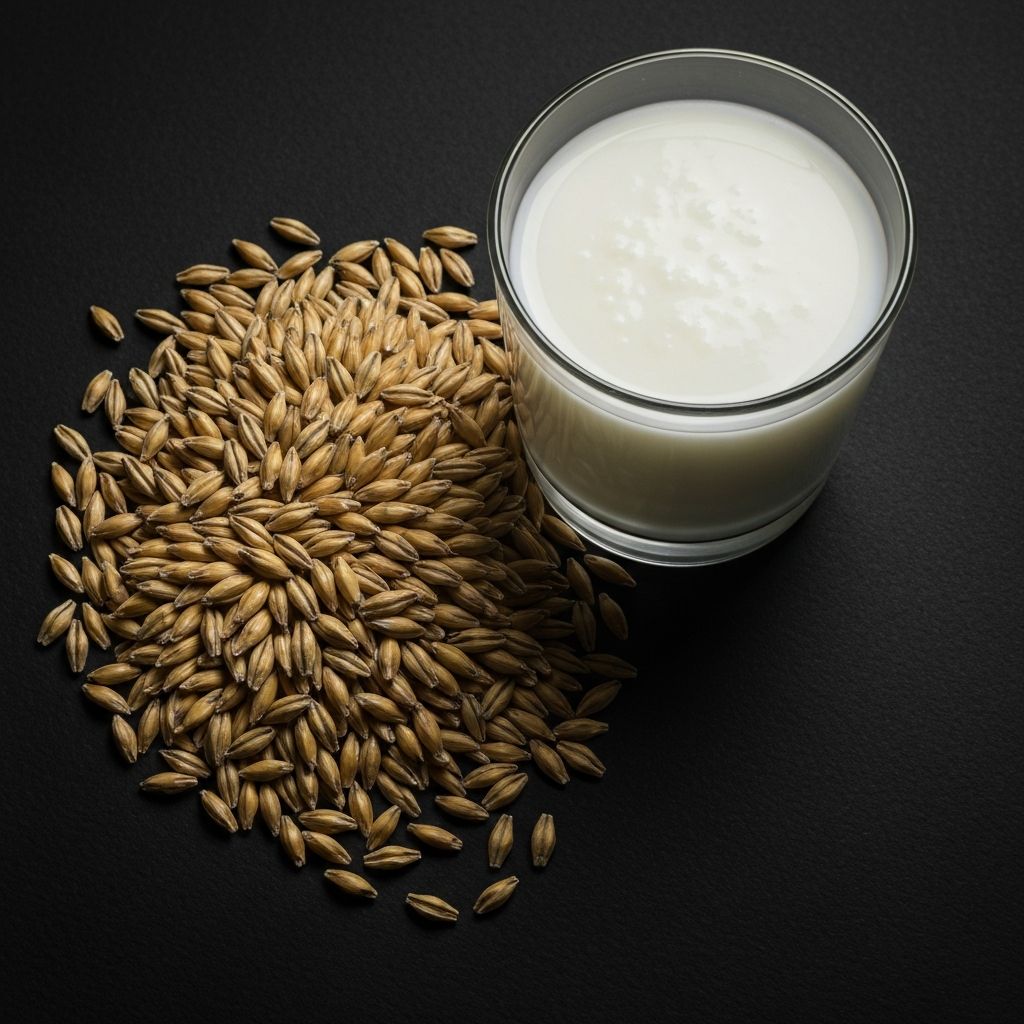
Barley: Whole grain source of B vitamins, magnesium, manganese, and beta-glucan fiber. Supports gut health and metabolic efficiency through sustained carbohydrate release.
Kefir: Fermented dairy beverage containing probiotics, complete protein, and bioavailable minerals. The fermentation process enhances nutrient bioavailability.
Fermentation Benefits:
Grapefruit and Citrus Fruits: Rich in vitamin C (ascorbic acid), which enhances iron absorption, particularly non-heme iron from plant sources. Vitamin C acts as a reducing agent, converting ferric iron to more bioavailable ferrous iron.
Citrus Nutrient Contributions:
Consuming citrus with iron-containing meals significantly increases iron bioavailability, demonstrating the importance of varied dietary combinations.

Nutrient Synergy: Different nutrients work cooperatively in metabolic pathways. For example, magnesium enables B vitamin enzymatic function, iron depends on copper for proper metabolism, and vitamin C enhances iron absorption. This interconnectedness explains why single-nutrient supplementation cannot fully replicate whole food benefits.
Metabolic Efficiency Principles:
Understanding these relationships helps explain why traditional dietary patterns emphasizing whole foods remain optimal for supporting normal metabolic function.
This website presents informational material regarding the role of naturally occurring nutrients in supporting physiological processes related to energy metabolism. The content is educational in nature and does not constitute medical advice, professional diagnosis, or individual recommendations.
Nutrient requirements vary among individuals based on age, activity level, health status, medications, and genetic factors. Consumption of specific foods and nutrients should be considered as part of overall lifestyle patterns, not as isolated interventions or solutions.
This information does not replace consultation with qualified healthcare professionals. Individuals considering significant dietary modifications or addressing specific health concerns should consult appropriate medical practitioners.
Learn more about detailed nutrient explanations, frequently asked questions, and additional scientific context.
Read Detailed ExplanationsNo promises of outcomes. This resource aims to explain scientific concepts about nutrition and metabolism for informational purposes.